
About us
About Us
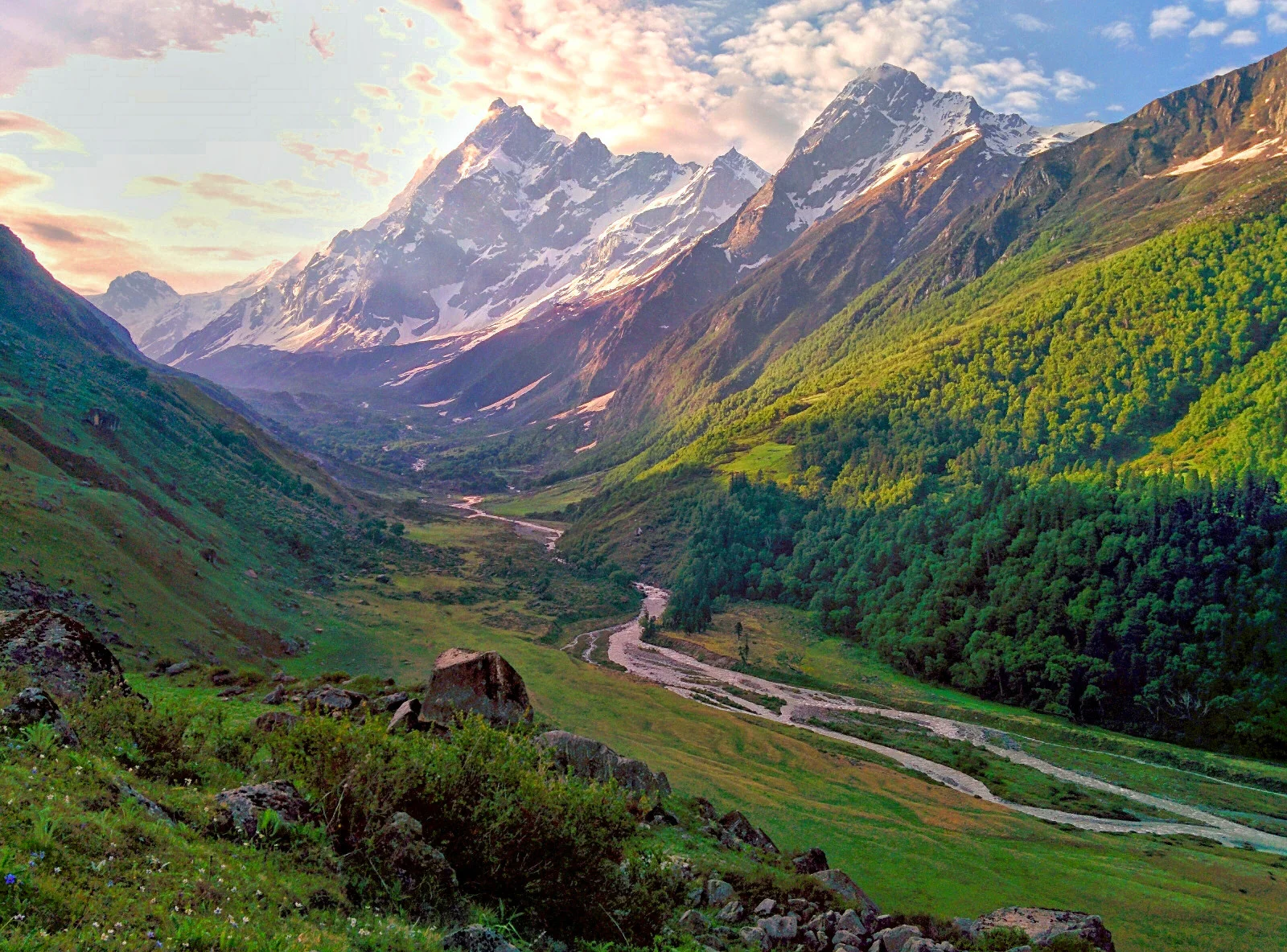
Trail
Plan, prepare, trek responsibly
Himalayan trekking starts with the right information
Sapta Shikhar brings together trekking routes and preparation guides for Uttarakhand and Himachal Pradesh. Compare the season, terrain, altitude and approach to each route, then build a plan that suits your experience. A short trek still needs preparation, and a summit should always depend on weather and trail conditions.
Choose by terrain
Compare forest climbs, snow ridges and multi-day valley trails.
Prepare before departure
Understand clothing layers, footwear, trail essentials and travel buffers.
Leave
No Trace
Our Approach
Walk with care for the mountains
Use established trails and permitted campsites. Carry litter back to the roadhead, keep soap and waste away from water sources, and respect village customs and wildlife.
- Honest grades and acclimatisation planned around real metres gained
- Water sources, grazing tracks and shrine paths kept clear of camp life
Choose thoughtfully
Match the route to your fitness, experience and season.
Prepare thoroughly
Check access, weather, permits and emergency arrangements before starting.
Why Choose Us
Choose a trek with a clear understanding of the trail
A useful route guide explains the climb, the weather window and the journey to the trailhead. Use these details to compare treks rather than choosing on photographs alone.
Safety preparation
Ask about trained leadership, emergency equipment and evacuation arrangements.
Read More
Trek planning
Trek preparation
What We Do
Route guides and preparation for Himalayan trekking
Explore trek routes and practical planning information, from reaching the trailhead to choosing clothing and managing your backpack.
Compare trekking routes
Understand altitude, terrain and the usual day-by-day progression.
Plan your preparation
Use packing, weather and responsible-trekking guides before departure.
The roles behind a guided trek
Before joining a departure, confirm who will lead it and what support is available. The right team depends on the route, terrain and group size.
Trek leader
Briefs the group, manages the walking pace and makes decisions about weather, route changes and turnaround times. Ask about route experience and first-aid training.
Local guides and camp crew
Local guides help with navigation and trail conditions. Camp staff handle food and equipment on supported routes; the exact arrangements should appear in your quotation.
Emergency coordination
Confirm the communication plan, evacuation options and responsibilities before leaving the roadhead.
Read the preparation guideHow It Works
From choosing your trek to the moment you reach the trailhead
Choose Your Trek
Browse routes by season, metres gained and how much climbing you want on the days.
Book With Ease
Confirm the route, date, fee and terms directly before making a booking.
Customise Your Batch
Discuss travel arrangements and the pace your group needs before finalising the itinerary.
Arrive And Walk Out
Reach the meeting point with your equipment ready and allow a travel buffer.
Our Features
What to check before joining a guided trek
Emergency arrangements
Check communication, evacuation routes and the emergency equipment carried.
Read MoreHow to assess a trek before booking
Useful trek feedback describes the actual route, month, walking pace and camp conditions. Compare experiences from the same season and ask for recent feedback about the departure you are considering.
Questions worth asking
- Was the itinerary and difficulty explained before booking?
- How did the team respond to weather changes?
- Were equipment, food and transfers consistent with the written plan?
- Did the group follow responsible camping practices?
Verified Sapta Shikhar traveller reviews have not been supplied, so no customer quotes or ratings are published here.
Compare trek routesFrequently Asked Questions
Answers about grades, gear, altitude and what to pack
Practical guidance for choosing and preparing for a Himalayan trek.
Need any help?
Trek preparationCompare the maximum altitude, walking hours, daily climbs and season. Short forest routes such as Nag Tibba can be a starting point, but even a weekend trek needs fitness and weather preparation.
Carry broken-in trekking shoes, a backpack, warm layers, a waterproof shell, sun protection, a headlamp, refillable water bottles and personal medicines. Confirm which camp equipment and snow gear are included before departure.
Build walking endurance gradually with regular walks, stairs and strength work. Practise on uneven ground with your daypack. Match your preparation to the longest day of the chosen itinerary.
Ask for dated availability, the final itinerary, group size, guide qualifications, inclusions, exclusions, transfer arrangements and cancellation terms in writing. A route guide does not guarantee an operating departure.
Yes. Snow, rain, road closures and permit restrictions can change camp locations, access and summit plans. Keep a travel buffer and accept the leader’s decision to turn back when conditions are unsuitable.
Stay on established paths, carry litter back, avoid campfires on alpine ground and keep soap and waste out of streams. Respect wildlife, grazing areas and local customs.