Frequently Asked Questions
Answers about grades, gear, altitude and what to pack
Practical guidance for choosing and preparing for a Himalayan trek.
Need any help?
Trek preparation
Explore snow-covered forests, alpine lakes and mountain valleys. Start with clear route guides, realistic day plans and a packing list for your season.
Winter
Snow & forest trails
Summer
High mountain passes
Autumn
Clear valley views
Compare walking days, altitude and terrain. Distances are approximate; weather, permits and trail conditions can change the final itinerary.
Know the altitude, walking days and terrain before you choose.
Read the fitness, clothing and safety guidance for your trek.
Carry litter back, respect villages and stay on established trails.
Compare duration, terrain and season. Open a route for the typical itinerary, trailhead and preparation details.
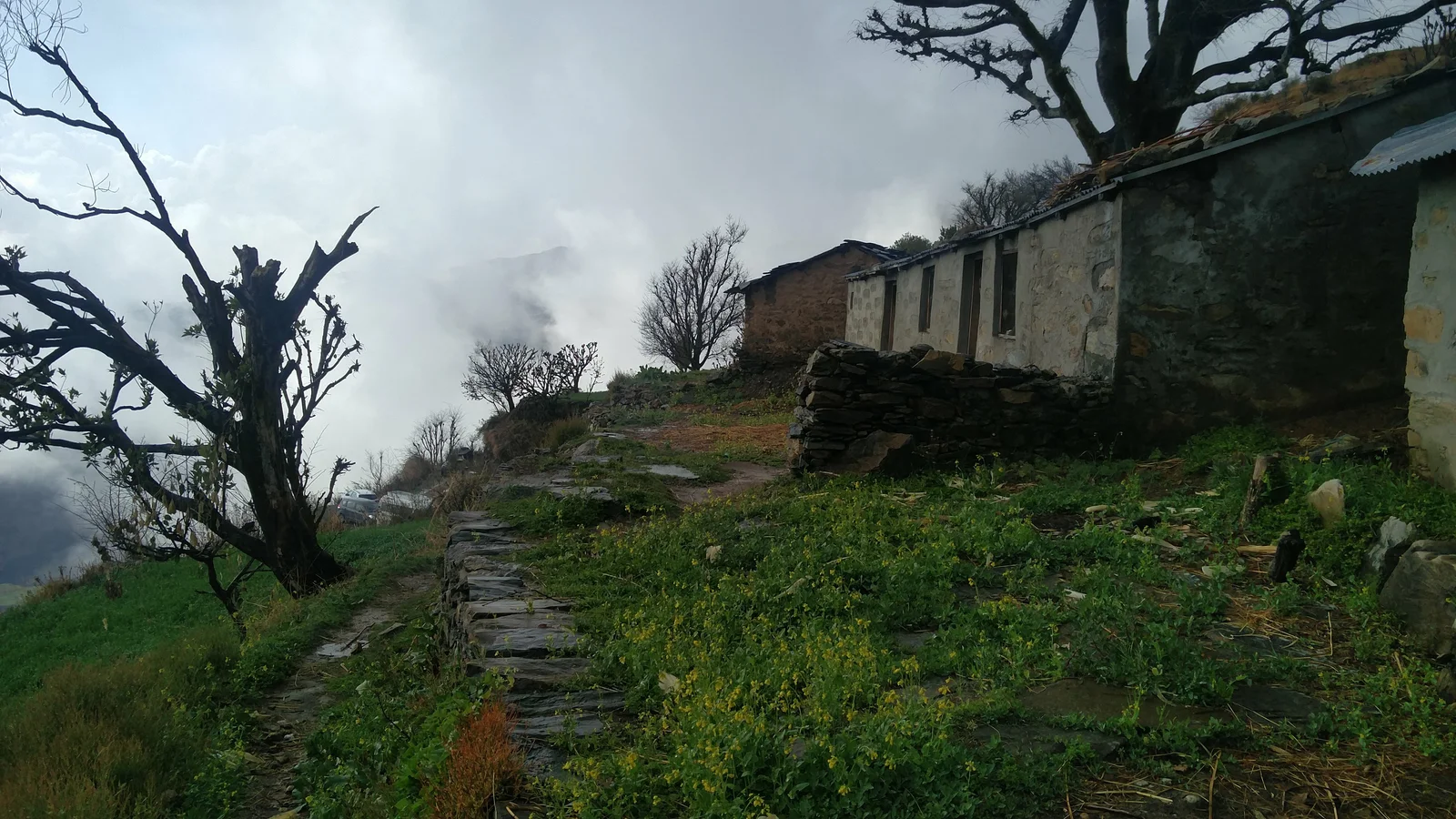
Sar Pass is a high-altitude crossing in Himachal Pradesh's Parvati Valley. This six-day itinerary begins in Kasol, climbs through Grahan, Min Thach and Nagaru, then crosses the pass before descending through Biskeri Thach to Barshaini. The landscape changes from village paths and woodland to open camping grounds and exposed upper slopes. Expect sustained uphill walking, cold nights and a demanding crossing day. Snow cover and trail conditions vary with the season, so the daily plan remains subject to weather and the trek leader's assessment.
₹6,999 5% GST extra
35 scheduled upcoming batches
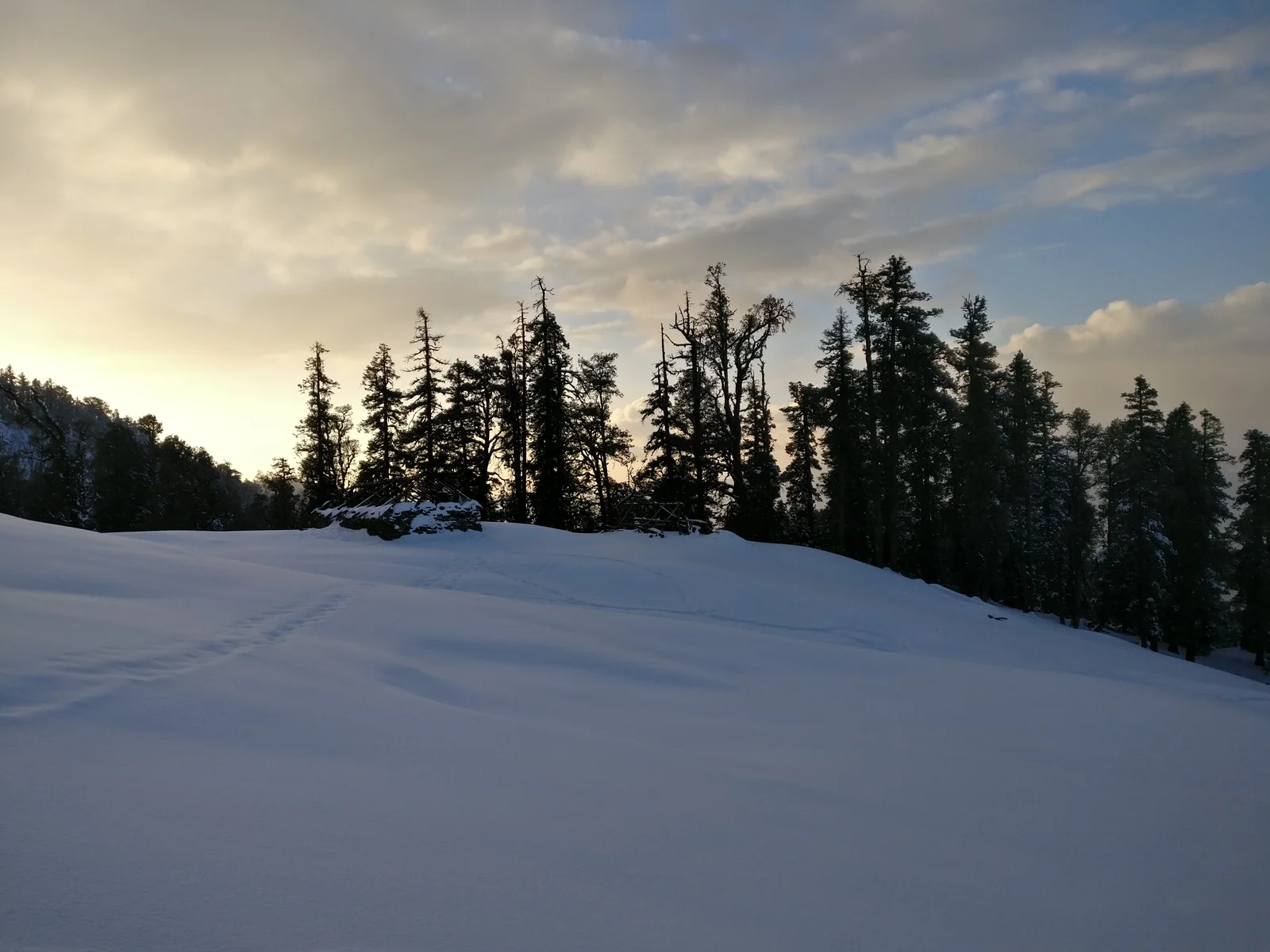
Kedarkantha is a summit trek above Sankri, with a route through Juda Ka Talab and the higher base camp. The itinerary returns through Hargaon after the peak attempt. Forest walking leads into a more open upper climb, where winter conditions can slow progress. The summit day needs more effort than the approach stages, so arrive prepared for uphill walking and cold starts.
₹6,999 5% GST extra
11 scheduled upcoming batches
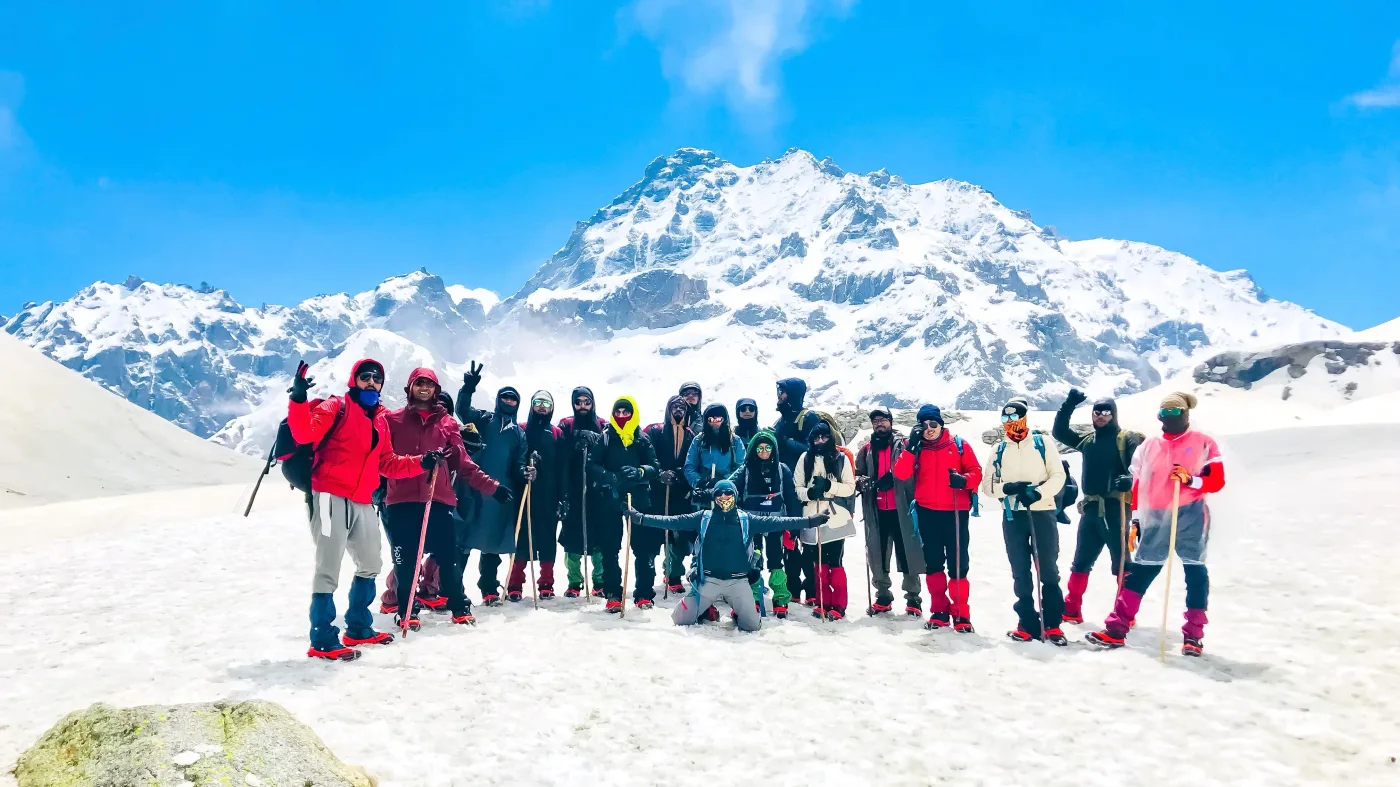
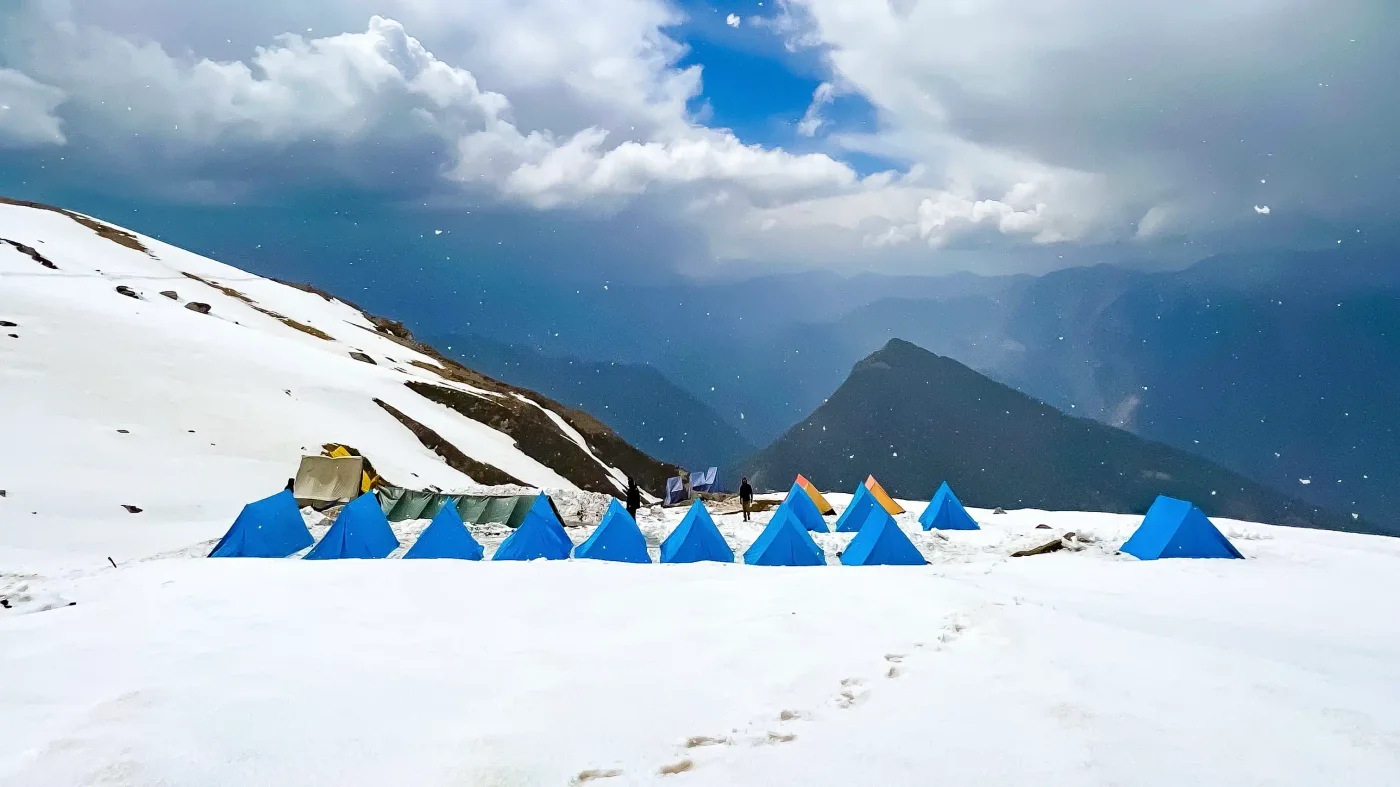
Hamta Pass links the Manali side of the mountains with the Lahaul side. This itinerary approaches through Chikka and Balu ka Ghera, crosses towards Shea Ghoru, and descends to Chatru. A road excursion towards Chandratal is included in the planned route, subject to access. The main appeal is the transition between two valleys; the crossing and the later drives both depend on weather and road conditions.
₹9,000 5% GST extra
Next departure dates on request
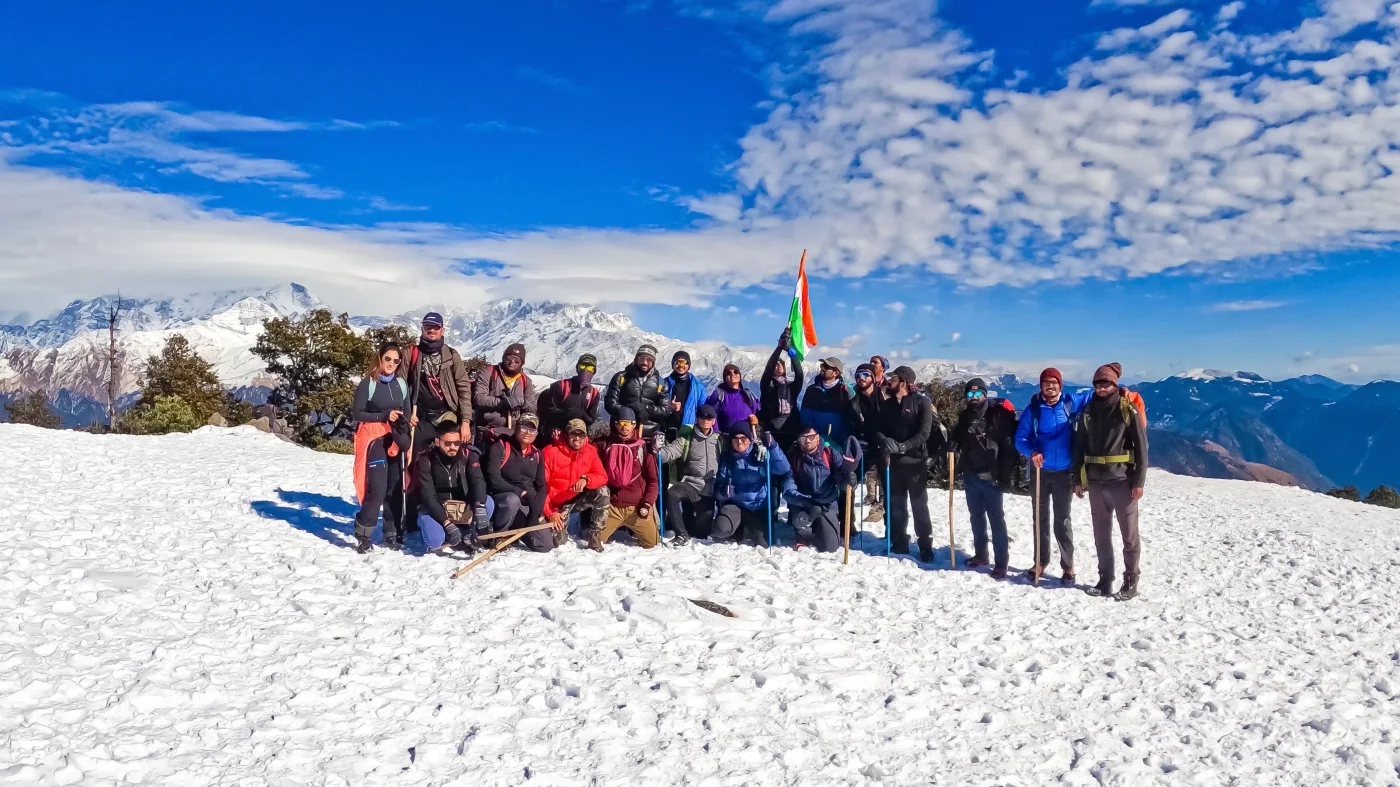
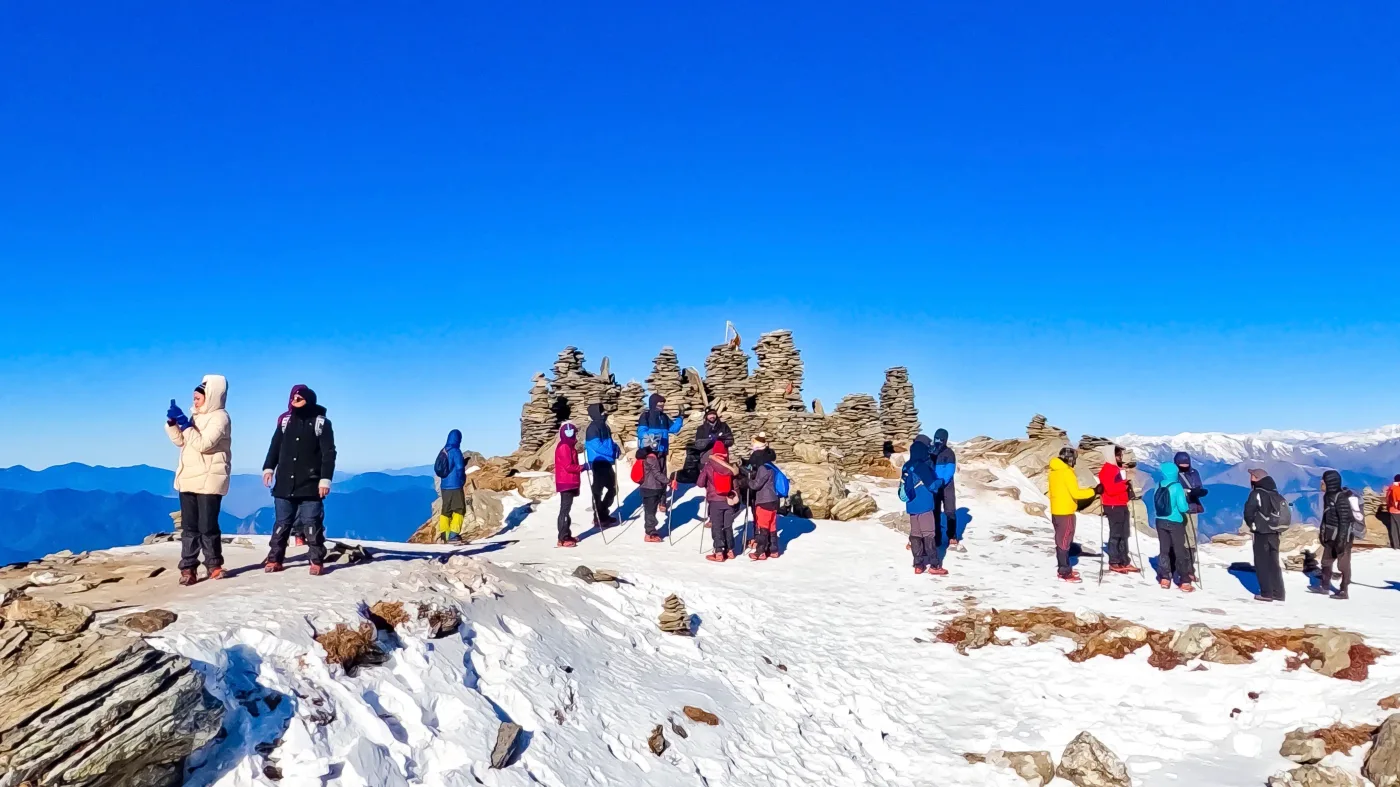
Brahmatal combines a forest approach from Lohajung with visits to Bekaltal and Brahmatal and a climb onto the ridge above. This listing follows the return through Khorurai. The route gives the lakes a central place in the journey, while the higher day adds a longer stretch of walking. Winter snow changes the pace and appearance of the trail; lake and ridge visits remain subject to conditions.
₹6,999 5% GST extra
11 scheduled upcoming batches
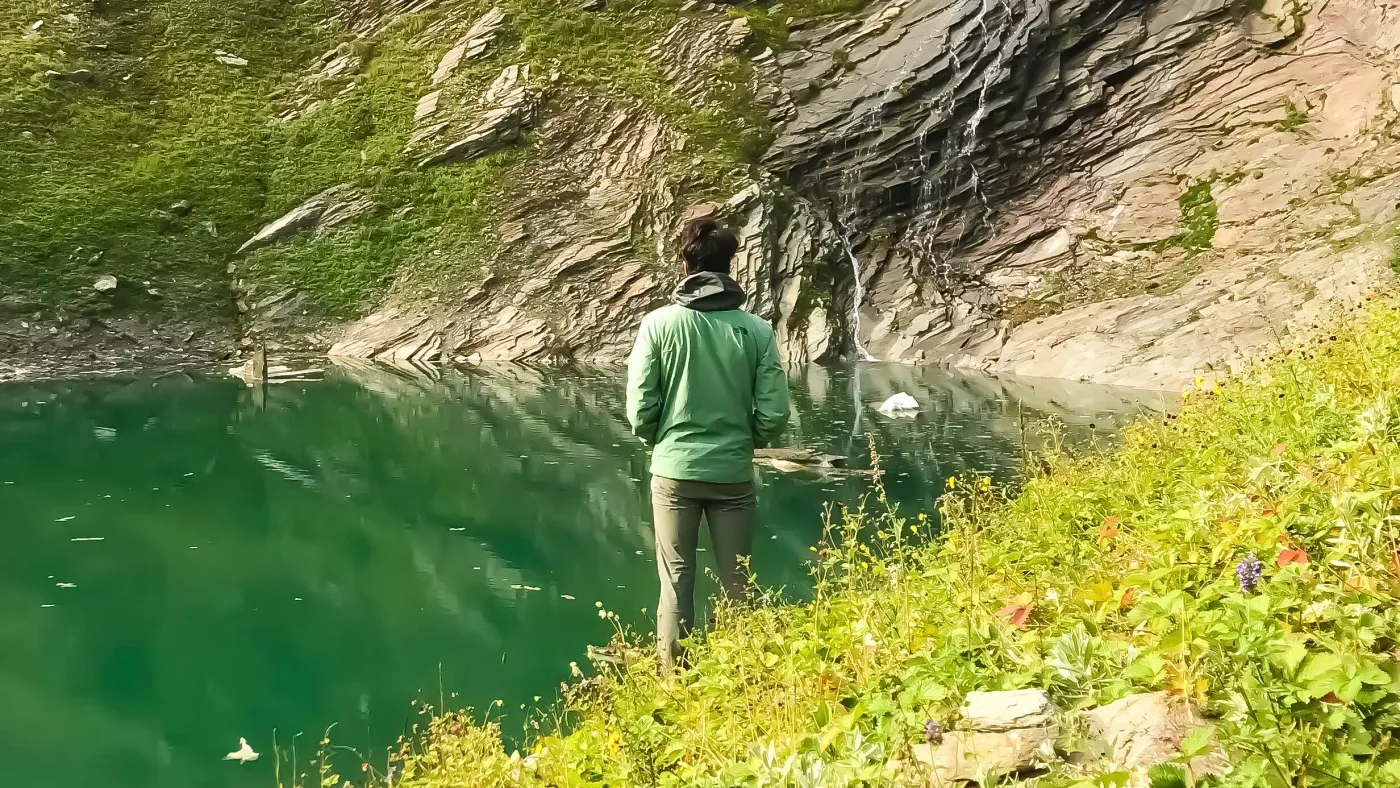
Beas Kund is a lake-focused trek reached from the Solang side of Manali. This programme first reports at Rumsu, then follows the approach to Bakerthach and makes an out-and-back visit to Beas Kund before descending. Reporting at Rumsu and starting the trail at Solang are separate steps. Allow for both the walking stages and the road transfers when planning your trip.
₹7,000 5% GST included
Next departure dates on request
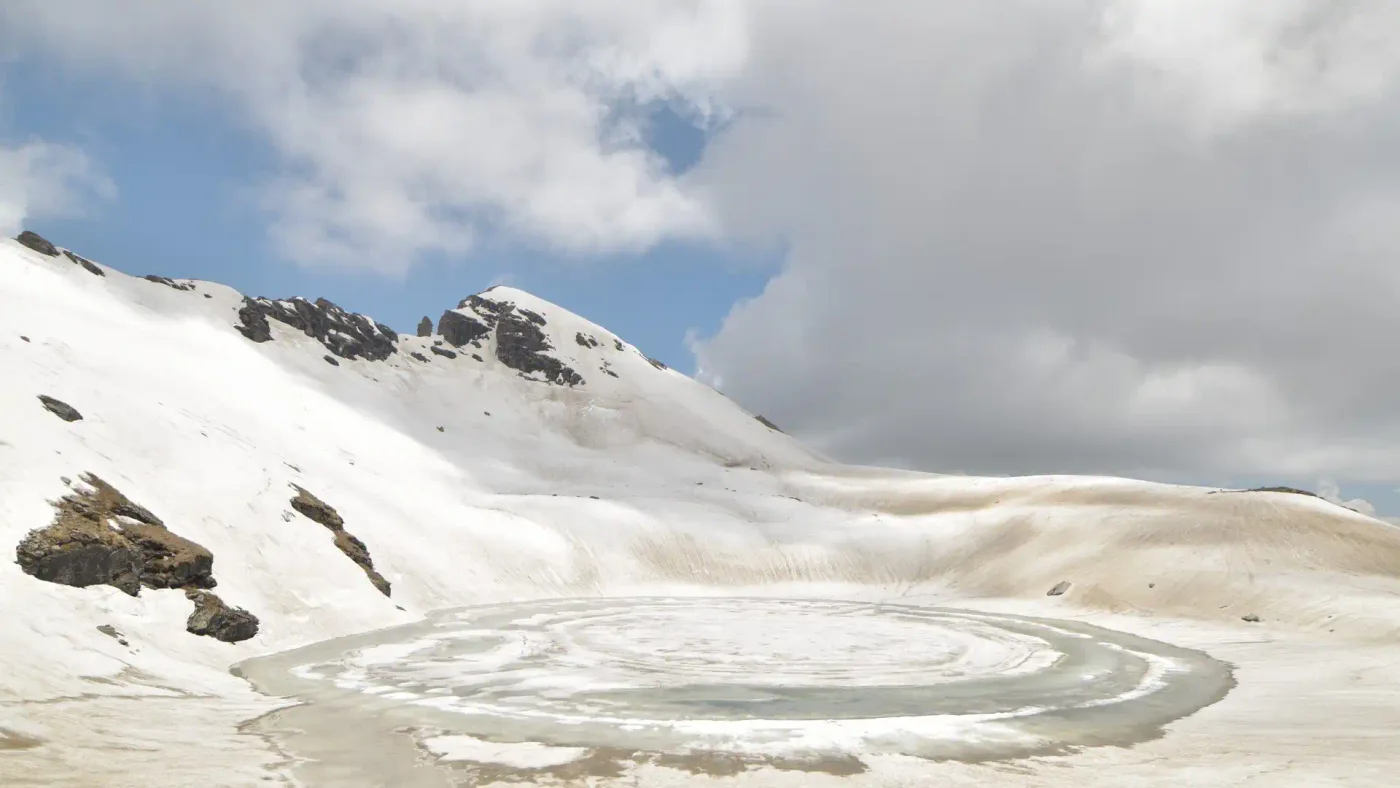
Bhrigu Lake is the destination of this Manali-side trek, approached through the Gulaba area and Rohlikohli. The itinerary builds towards a lake visit before returning to the road. The upper walking day involves a significant climb, even though the overall programme is short. Carry warm and rainproof layers and prepare for sustained uphill effort; the lake visit depends on safe trail and weather conditions.
₹7,000 5% GST included
Next departure dates on request
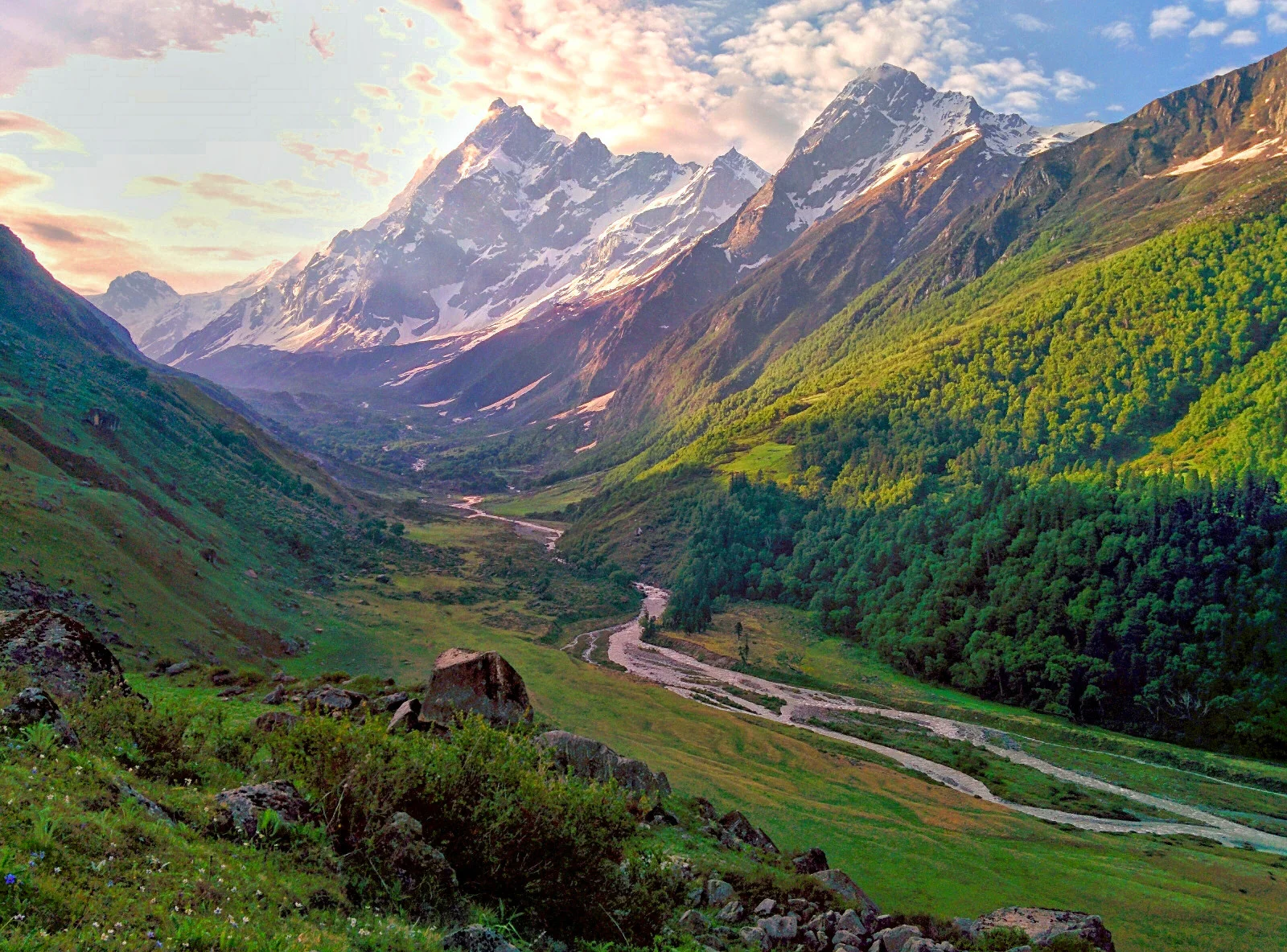
Plan, prepare, trek responsibly
Sapta Shikhar brings together trekking routes and preparation guides for Uttarakhand and Himachal Pradesh. Compare the season, terrain, altitude and approach to each route, then build a plan that suits your experience. A short trek still needs preparation, and a summit should always depend on weather and trail conditions.
Compare forest climbs, snow ridges and multi-day valley trails.
Understand clothing layers, footwear, trail essentials and travel buffers.
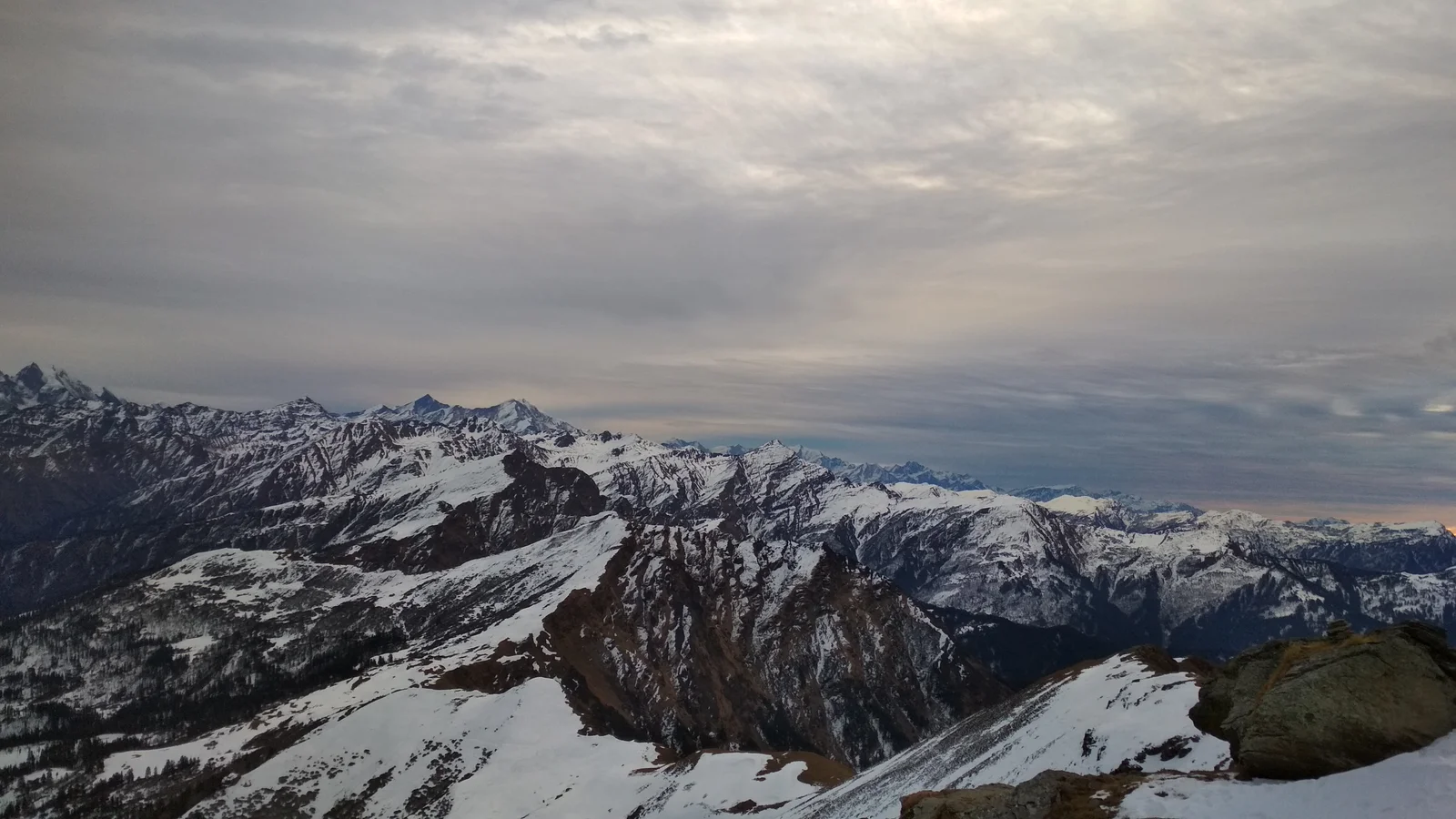
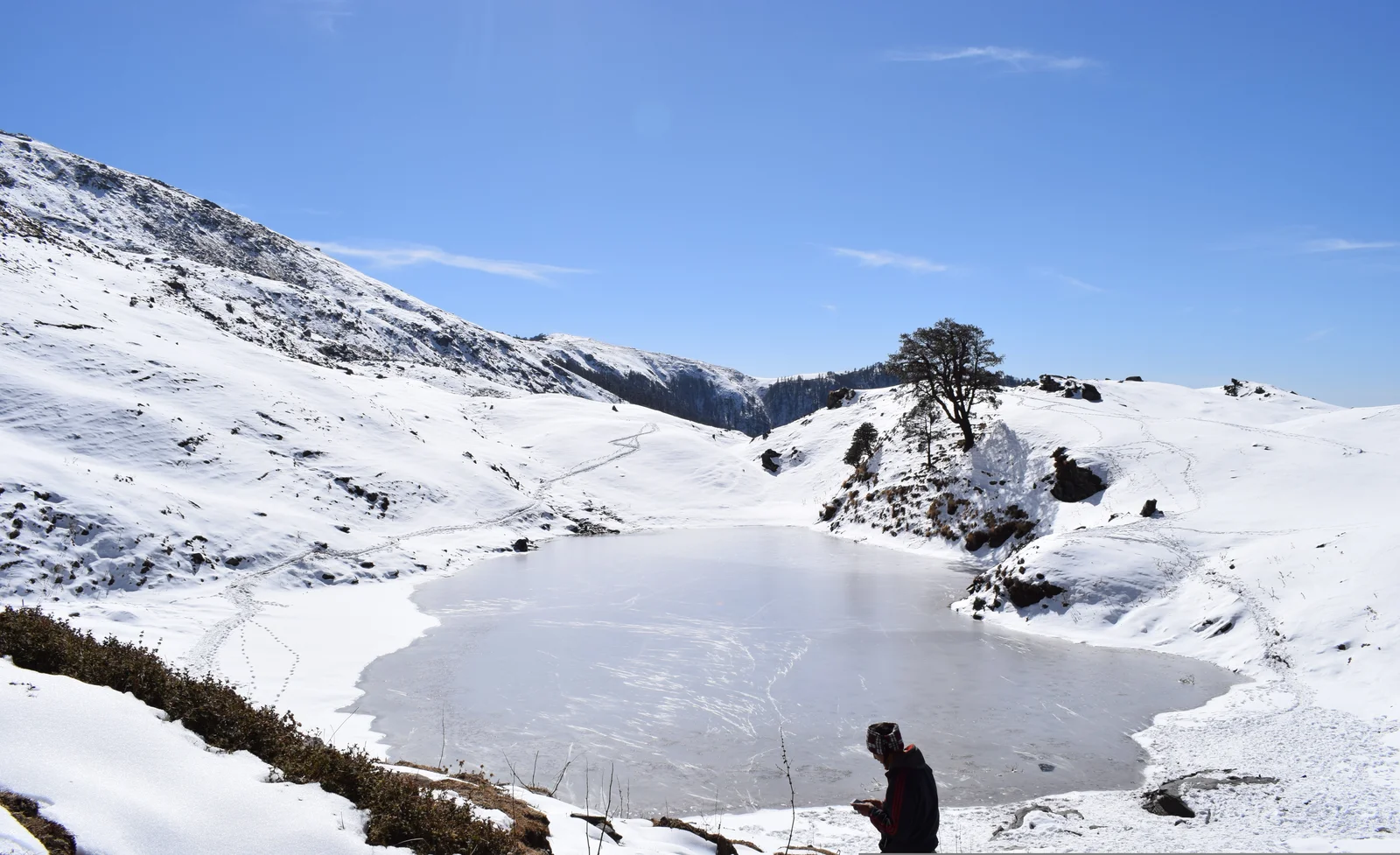
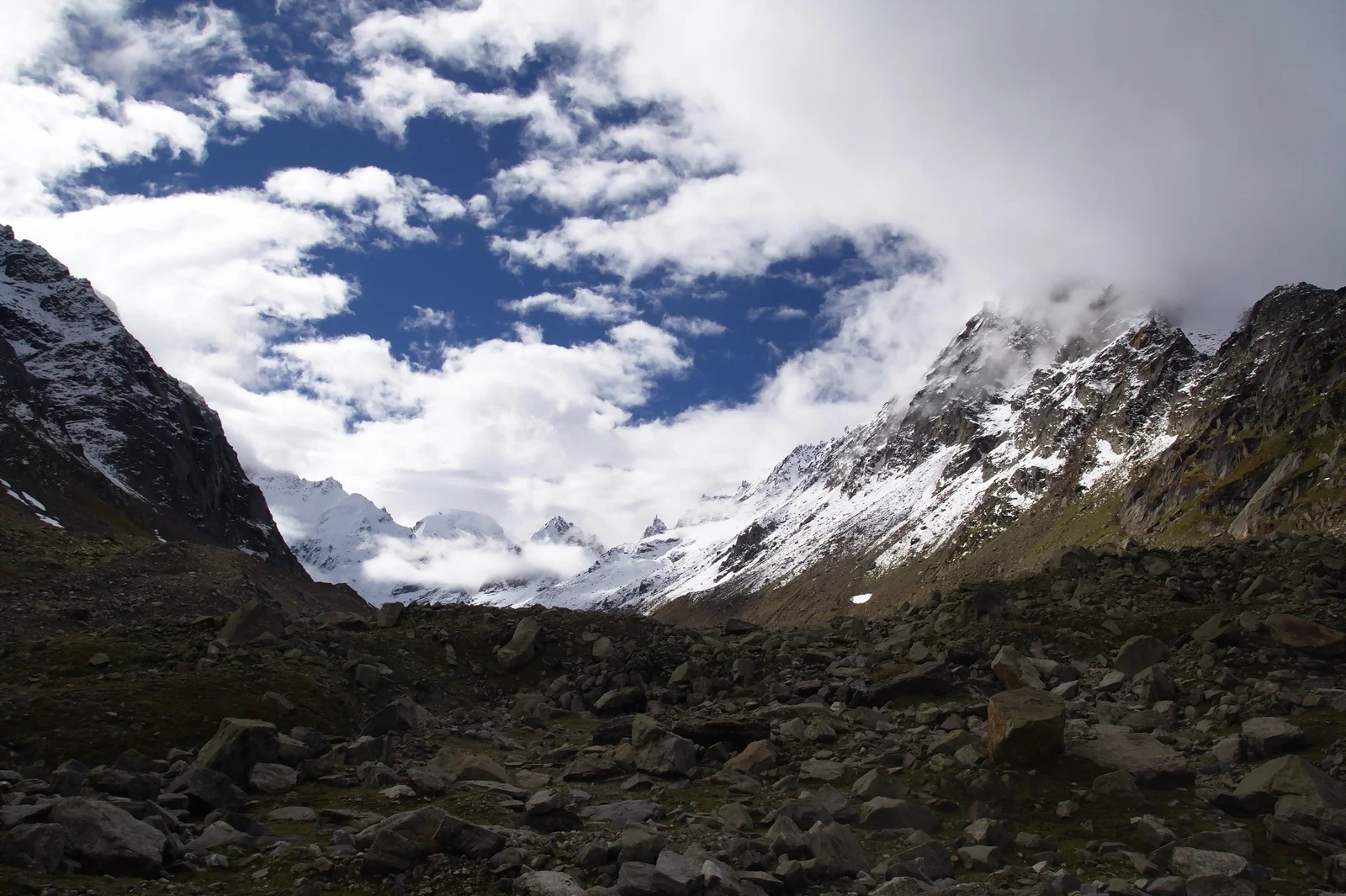
Match walking days and terrain to your experience and available time.
Check the final itinerary, availability, fee and inclusions before paying.
Build walking endurance, break in your boots and follow a seasonal kit list.
Allow time for mountain-road delays and follow the leader’s briefing.
Practical guidance for choosing and preparing for a Himalayan trek.
Need any help?
Trek preparationCompare the maximum altitude, walking hours, daily climbs and season. Short forest routes such as Nag Tibba can be a starting point, but even a weekend trek needs fitness and weather preparation.
Carry broken-in trekking shoes, a backpack, warm layers, a waterproof shell, sun protection, a headlamp, refillable water bottles and personal medicines. Confirm which camp equipment and snow gear are included before departure.
Build walking endurance gradually with regular walks, stairs and strength work. Practise on uneven ground with your daypack. Match your preparation to the longest day of the chosen itinerary.
Ask for dated availability, the final itinerary, group size, guide qualifications, inclusions, exclusions, transfer arrangements and cancellation terms in writing. A route guide does not guarantee an operating departure.
Yes. Snow, rain, road closures and permit restrictions can change camp locations, access and summit plans. Keep a travel buffer and accept the leader’s decision to turn back when conditions are unsuitable.
Stay on established paths, carry litter back, avoid campfires on alpine ground and keep soap and waste out of streams. Respect wildlife, grazing areas and local customs.