Deo Tibba Base and Goru Pass
Deo Tibba Base and Goru Pass Trek is an 8-day difficult trek in Himachal Pradesh, starting from Rumsu village. It reaches about 15,750 ft (4,801 m). Sapta Shikhar runs fixed departures at ₹19,700 per person (5% GST included).
Updated by the Sapta Shikhar trek team
Trip overview
Combine the Deo Tibba base trail and Chota Chandratal with a climb towards Goru Pass.
Deo Tibba Base and Goru Pass follows a 8 Days / 7 Nights schedule. The route stages below follow the scheduled package; weather and trail conditions can affect the final camp plan.
What’s included
- Two-person tent sharing
- Breakfast, lunch, snacks and dinner
- Forest and campsite permits
- First-aid equipment
- Trek leaders and camp support
- Tents and sleeping bags
- Gaiters
- Personal insurance listed in this package; confirm policy terms
- 5% GST included
What’s not included
- Travel and meals to/from the base camp
- Backpack porter/offloading charges
- Personal expenses
- Emergency expenses
Your day-by-day itinerary
Follow the route from your reporting point to the final descent. Camps and timings may change with mountain conditions.
01Day 1Reporting at Rumsu base camp. Acclimatization walk. Orientation for the trek in the evening
Use this stage for acclimatisation, with a measured pace and time at camp before the next higher section.
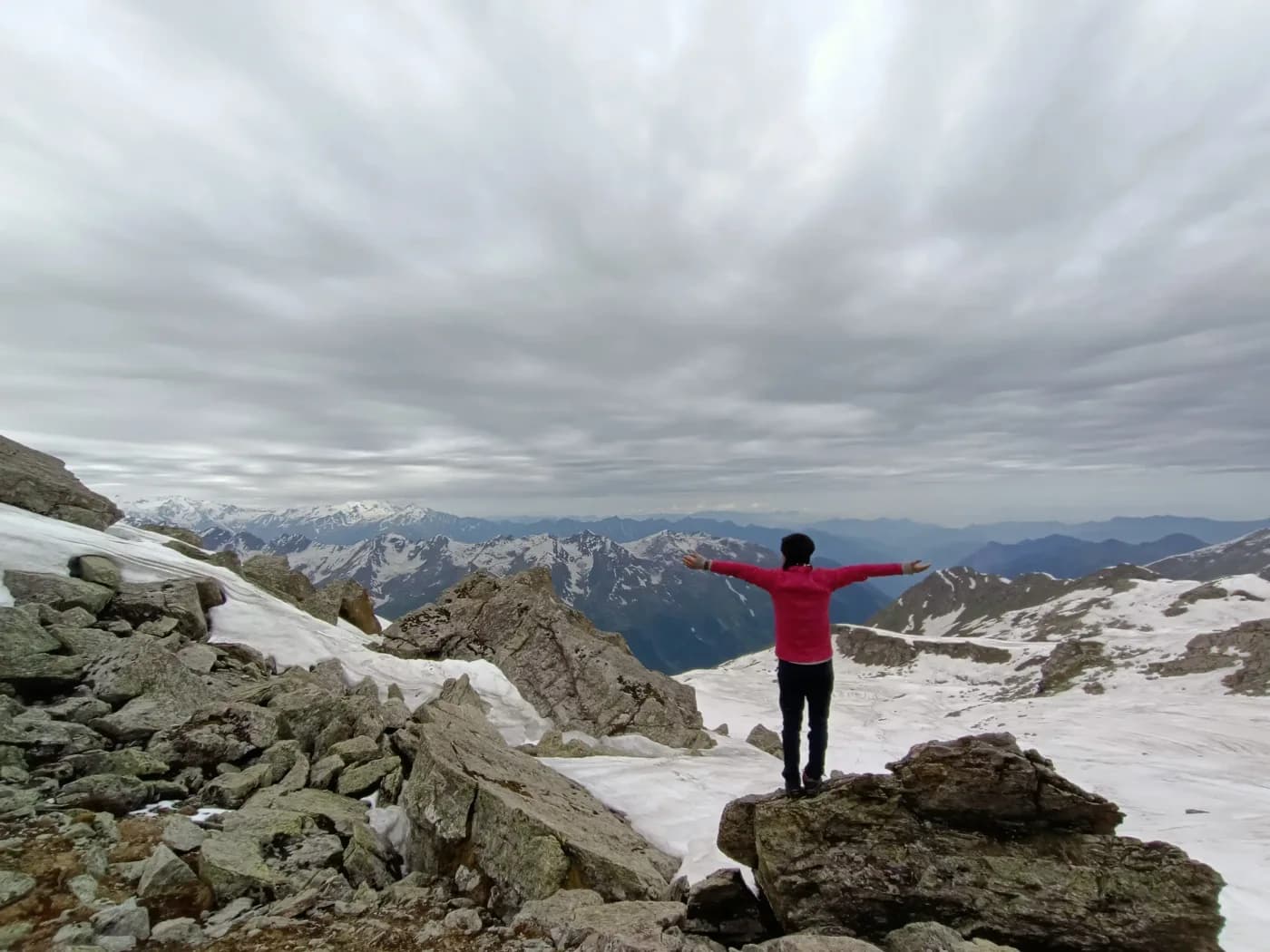
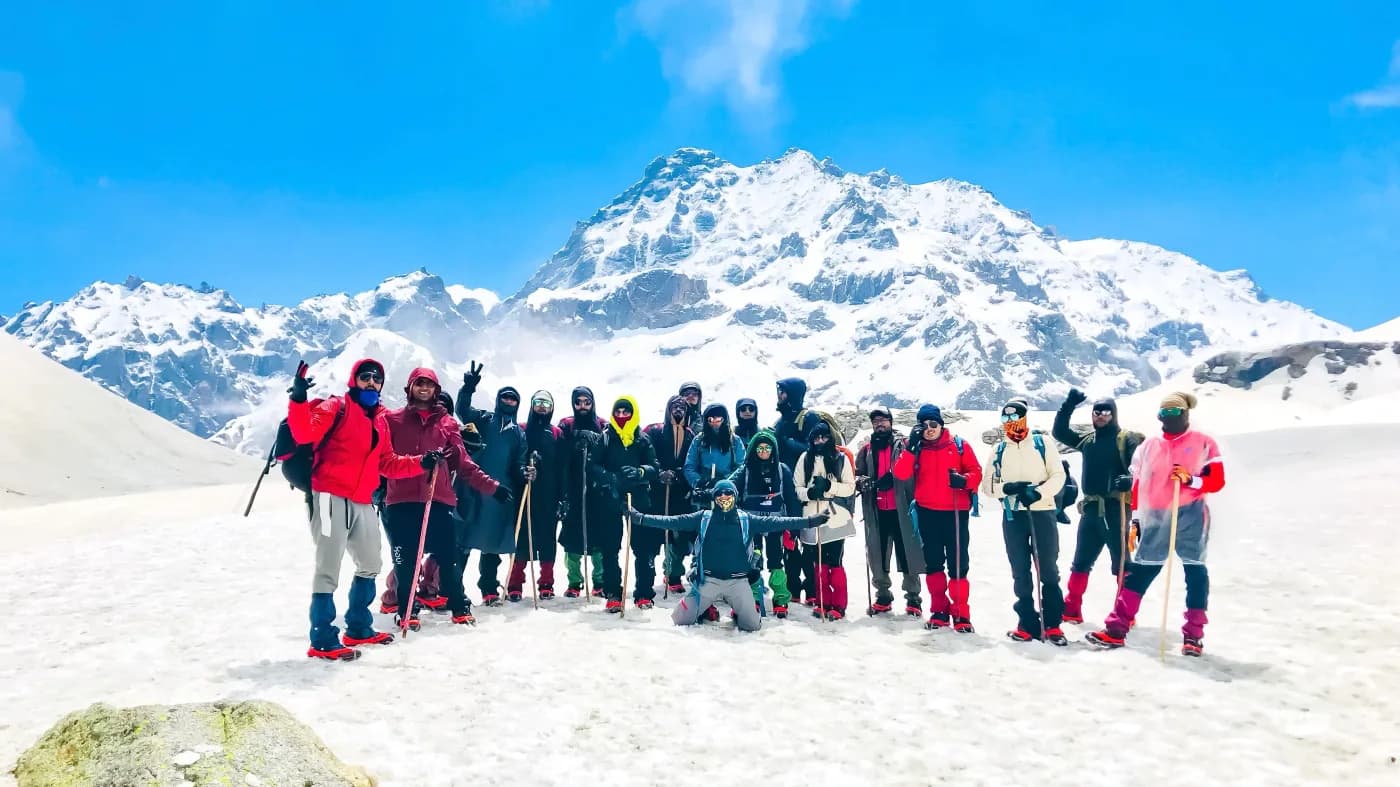
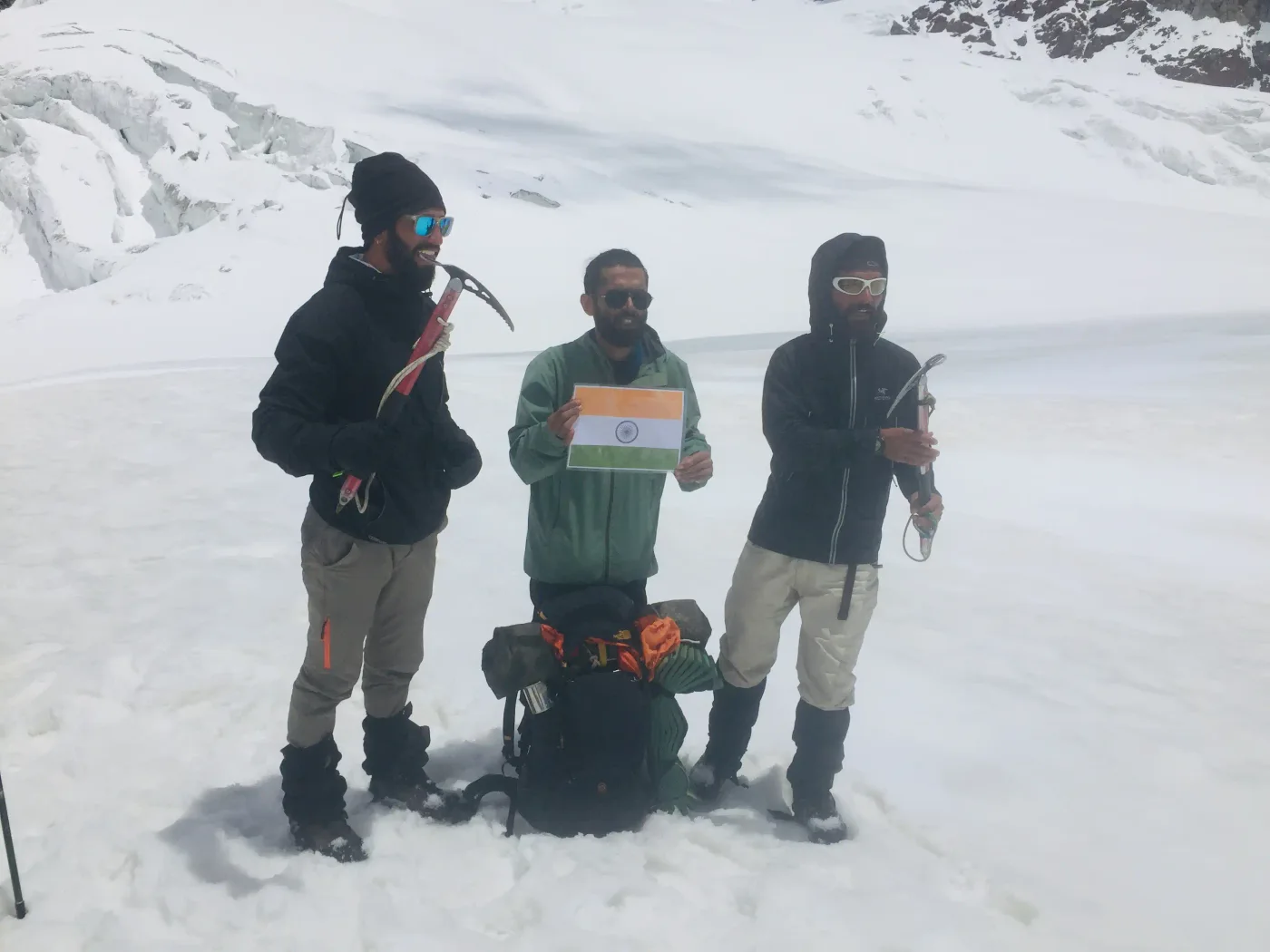
Views from the trek route
02Day 2Drive to AD Dam and trek to Chikka
Follow the scheduled stage: Drive to AD Dam and trek to Chikka. Confirm the transfer timing before planning onward travel.
- 10,498 ft
- 2 hrs
03Day 3Chikka to Seri
Follow the scheduled stage: Chikka to Seri. The route includes open meadows.
- 12,361 ft
- 6 hrs
04Day 4Seri to Deo Tibba Base
Follow the scheduled stage: Seri to Deo Tibba Base. Follow the route briefing for this day’s ascent, descent and camp arrangements.
- 14,600 ft
- 5 hrs
05Day 5Exploring Chota-Chandrataal and staying at Tenta
Follow the scheduled stage: Exploring Chota-Chandrataal and staying at Tenta. The route includes glacier terrain and rocky moraine.
- 13,614 ft
- 6 hrs
06Day 6Descend and trek to Goru Thach
Follow the scheduled stage: Descend and trek to Goru Thach. Follow the route briefing for this day’s ascent, descent and camp arrangements.
- 10,498 ft
- 4 hrs
07Day 7Trek to Goru Pass and descend to Goru Thach
Follow the scheduled stage: Trek to Goru Pass and descend to Goru Thach. The route includes snow sections.
- 15,750 ft
- 7 hrs
08Day 8Descend to AD Dam and Departure
Follow the scheduled stage: Descend to AD Dam and Departure. Confirm the transfer timing before planning onward travel.
Route essentials
- Highest altitude
- 15,750 ft (4,801 m)
- Accommodation
- Two-person tent sharing; Tents and sleeping bags
- Meals
- Breakfast, lunch, snacks and dinner
Departure dates & prices
Choose an open batch to see the final payable amount and current availability.
Open for online booking
Checking online availability…
View published programme dates (0)
Getting to the trail
Reporting point
Rumsu village, Himachal
By air
Bhuntar airport is a regional gateway for Kullu–Manali; onward road travel is required.
By road
Plan your road journey to Rumsu village, Himachal. Confirm the reporting time and any package transfers before buying travel tickets.
Final transfer
Keep a buffer for road closures and mountain weather. Transfer inclusions vary by trek; refer to this package’s inclusions and exclusions.
Prepare for your trek
Difficult route. Prepare for consecutive walking days and altitude exposure; expedition routes also require appropriate mountain skills.
What to pack
- Broken-in trekking shoes and spare socks
- Warm layers, rain protection and sun protection
- Backpack, refillable water bottles and headlamp
- Personal medicines, ID and required trek documents
Trekking equipment included
- First-aid equipment
- Tents and sleeping bags
- Gaiters
Optional services & additional costs
- Travel and meals to/from the base camp
- Backpack porter/offloading charges
- Personal expenses
- Emergency expenses
- Two-person sharing upgrade: ₹1,500 per person
Documents & booking information
Every traveller uploads a photo ID while booking — masked Aadhaar, PAN card, passport, driving licence or voter ID. Our team checks it before the trek. Carry the original ID to the reporting point.
- Original photo ID matching the traveller name
- A copy of your ID if advance verification is requested for your departure
Deo Tibba Base and Goru Pass: frequently asked questions
How difficult is the Deo Tibba Base and Goru Pass Trek?
The Deo Tibba Base and Goru Pass Trek is graded difficult. The highest point is about 15,750 ft (4,801 m). It is for experienced trekkers with prior high-altitude treks and strong fitness; steep sections, snow or long days are expected.
What is the cost of the Deo Tibba Base and Goru Pass Trek?
₹19,700 per person (5% GST included) for 8 days / 7 nights from Rumsu village. It includes two-person tent sharing, breakfast, lunch, snacks and dinner, forest and campsite permits and first-aid equipment. Not included: travel and meals to/from the base camp, backpack porter/offloading charges and personal expenses.
How many days does the Deo Tibba Base and Goru Pass Trek take?
8 Days / 7 Nights, starting and ending at Rumsu village. See the day-by-day itinerary for each camp.
What is the maximum altitude of the Deo Tibba Base and Goru Pass Trek?
About 15,750 ft (4,801 m). Acclimatise by climbing gradually, drinking 3–4 litres of water a day and telling your trek leader about headache, nausea or breathlessness.
When is the best time to do the Deo Tibba Base and Goru Pass Trek?
Ask the trek team for the next operating season of this route.
How do I reach Rumsu village for the Deo Tibba Base and Goru Pass Trek?
The trek starts at Rumsu village, Himachal. Most trekkers take an overnight bus from Delhi or fly to Bhuntar (Kullu) and continue by road. Confirm the reporting time before booking travel.
Is the Deo Tibba Base and Goru Pass Trek safe for beginners?
It is for experienced trekkers with prior high-altitude treks and strong fitness; steep sections, snow or long days are expected. Groups are limited to 20 people with trained trek leaders; you must be in good health and declare any medical condition before the trek.
How do I choose my first Himalayan trek?
Compare the maximum altitude, walking hours, daily climbs and season. Short forest routes such as Nag Tibba can be a starting point, but even a weekend trek needs fitness and weather preparation.
What equipment should I carry?
Carry broken-in trekking shoes, a backpack, warm layers, a waterproof shell, sun protection, a headlamp, refillable water bottles and personal medicines. Confirm which camp equipment and snow gear are included before departure.
How should I prepare physically?
Build walking endurance gradually with regular walks, stairs and strength work. Practise on uneven ground with your daypack. Match your preparation to the longest day of the chosen itinerary.
What should I confirm before booking?
Ask for dated availability, the final itinerary, group size, guide qualifications, inclusions, exclusions, transfer arrangements and cancellation terms in writing. A route guide does not guarantee an operating departure.
Can weather change the itinerary?
Yes. Snow, rain, road closures and permit restrictions can change camp locations, access and summit plans. Keep a travel buffer and accept the leader’s decision to turn back when conditions are unsuitable.
How do I reduce my impact on the trail?
Stay on established paths, carry litter back, avoid campfires on alpine ground and keep soap and waste out of streams. Respect wildlife, grazing areas and local customs.